
Relationship-led one-to-one mentoring and specialist intervention for young people
A trusted relationship can be the starting point for change for those experiencing challenges with education, behaviour, confidence, SEND or emotional wellbeing.
Some young people need more than advice. They need a consistent adult who will listen, understand what is happening and help them find a more positive way forward.
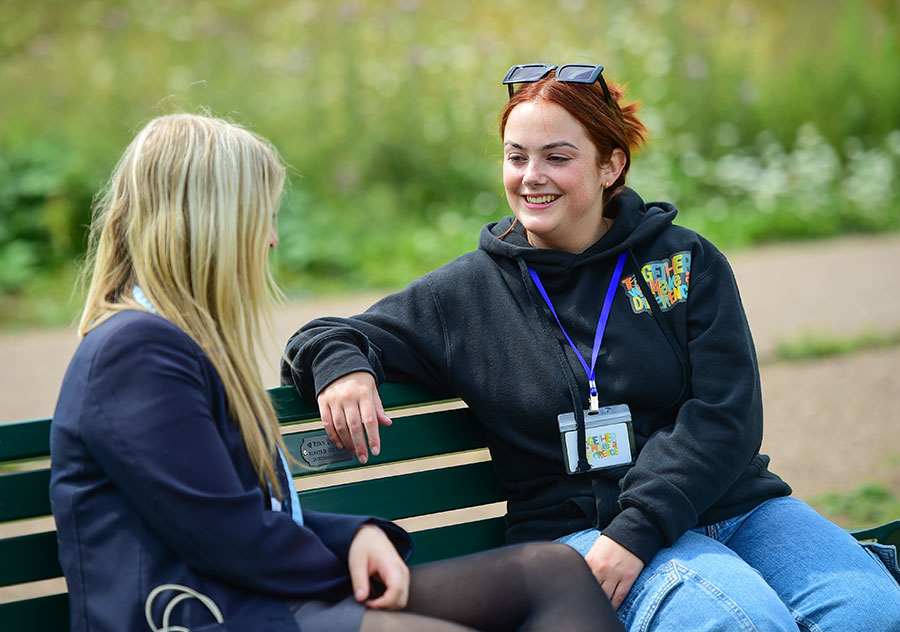
TWMAD provides one-to-one mentoring for children and young people experiencing challenges with education, behaviour, emotional wellbeing, confidence, relationships, SEND or wider circumstances in their lives.
Our mentors build trust through conversation, shared interests and meaningful activities. Each intervention is also guided by clear outcomes, safeguarding practice and structured support.
With our mentoring and support, young people can break free of negative behaviours and even begin to see themselves as positive role models for others.
Why mentoring works for young people
Young people may struggle to engage when they feel judged, misunderstood or pressured.
A consistent mentor gives them time to build trust and speak openly at a pace they can manage.
Through that relationship, young people can begin to recognise their strengths, understand what sits behind their behaviour and practise different ways of responding to challenges.
We do not expect trust to happen immediately. We build it through honesty, reliability and consistency.
Activity-Based Mentoring – The activity opens the door
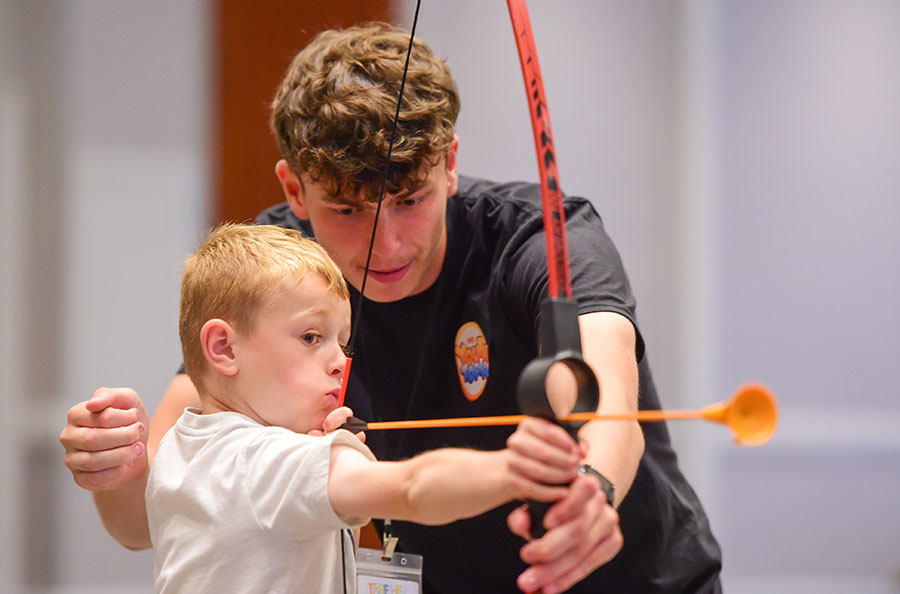
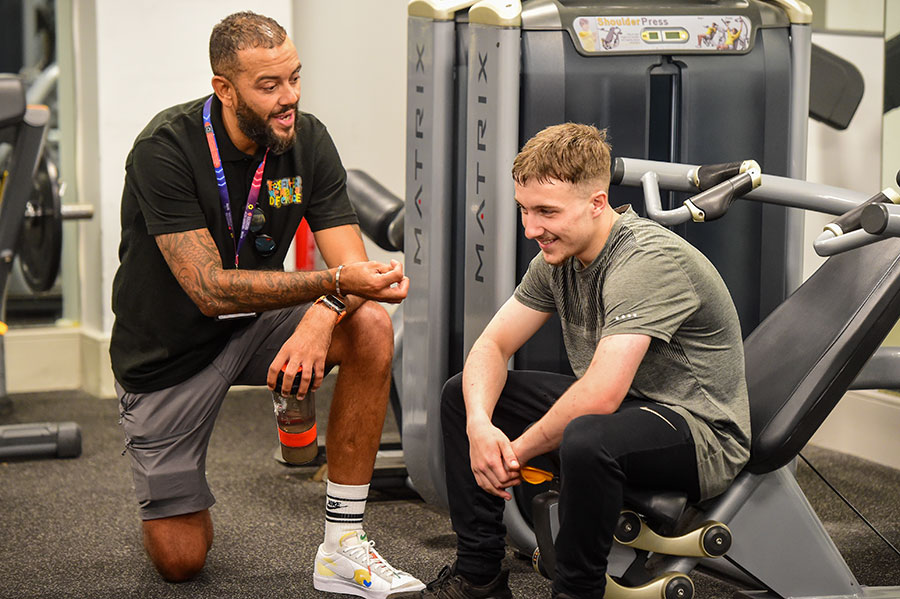
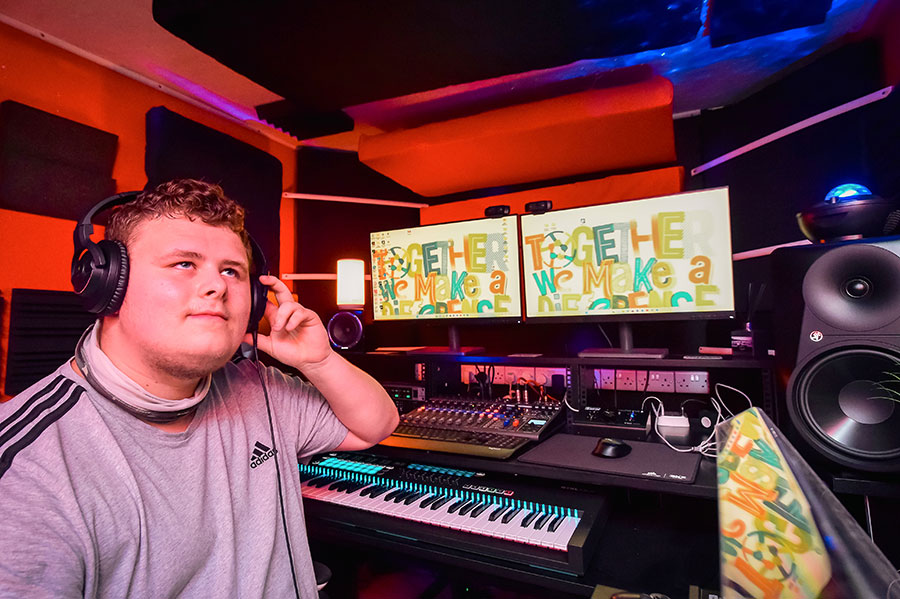
Football, fitness, music, cooking, creative projects, games and community activities can help young people feel more comfortable and willing to engage.
The activity is not simply a reward or a day out. It creates opportunities for conversation, reflection, emotional regulation and positive decision-making.
Sessions are shaped around the young person’s interests while remaining focused on their needs and agreed outcomes.