
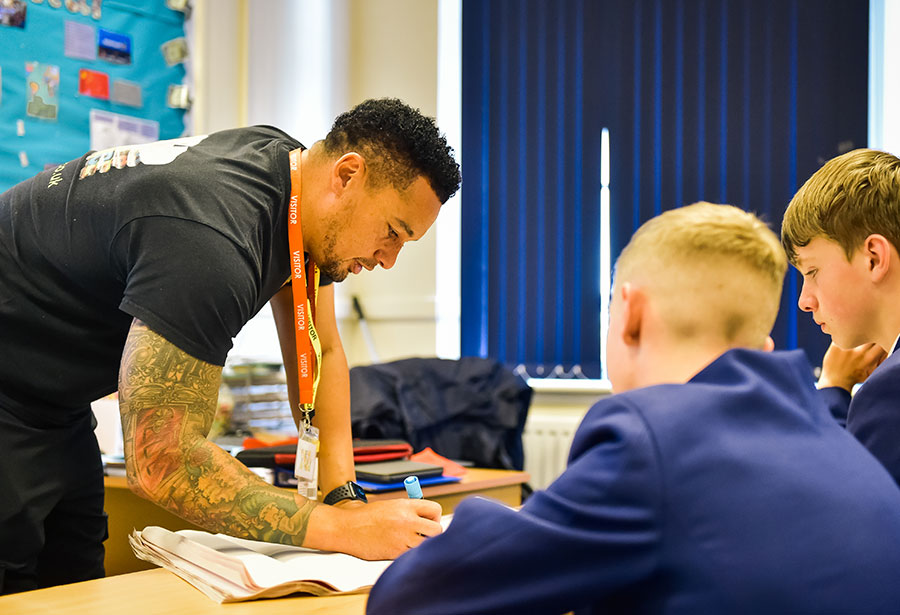
Targeted group interventions that help pupils engage, develop and make positive changes
Schools often identify groups of pupils experiencing similar challenges with behaviour, confidence, relationships, attendance, emotional wellbeing or transition.
These pupils may not require intensive one-to-one support, but they can benefit from time away from the usual classroom environment to explore what is happening, develop practical skills and learn alongside others facing similar challenges.
TWMAD delivers targeted group programmes for children and young people in primary, secondary and specialist education settings.
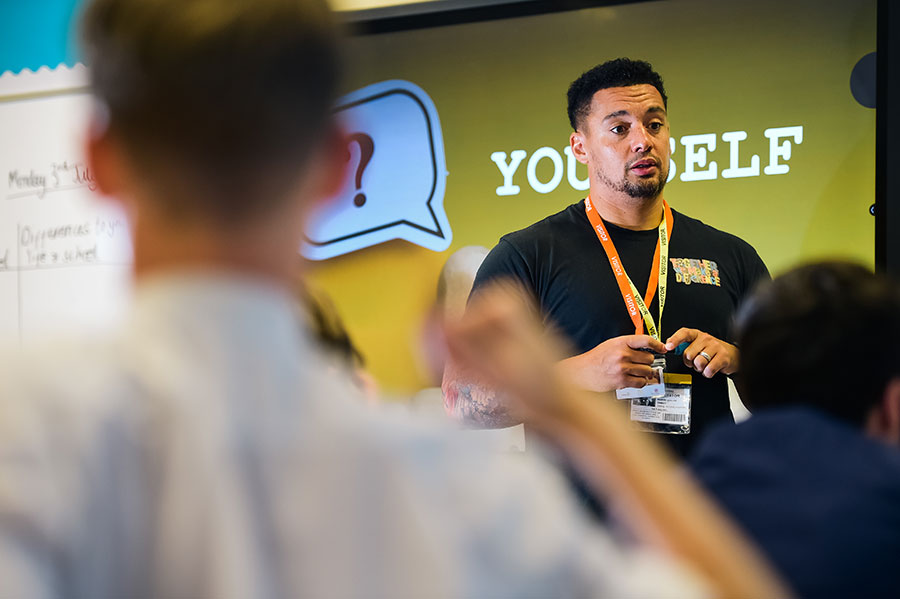
Our programmes combine meaningful activities, facilitated discussion and structured behaviour-change work. This creates an environment where pupils can participate without feeling judged, build positive relationships and develop skills they can use in school and beyond.
Every programme is shaped around the needs identified by the school and guided by clear outcomes, safeguarding practice and the TWMAD Behaviour Change Framework.
When a group programme may help
A TWMAD group programme may be appropriate when a school has identified pupils experiencing shared challenges such as:
Schools may refer an existing friendship or peer group or select pupils from across a year group who would benefit from working towards similar outcomes.
We take time to understand why each pupil has been selected and what the school wants the intervention to achieve.
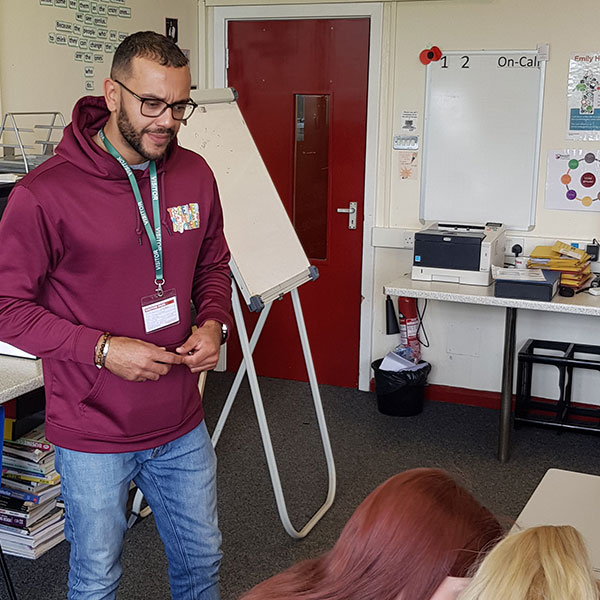
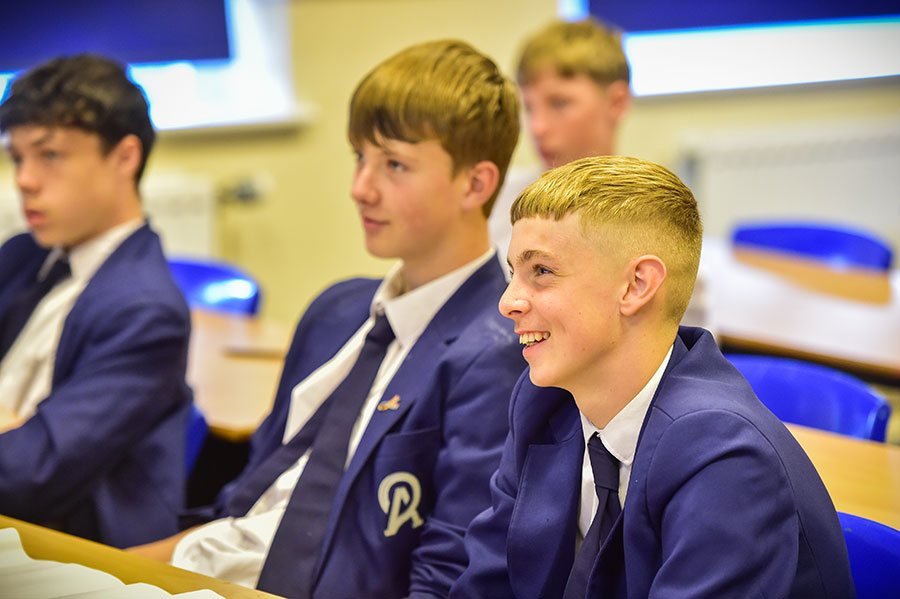
Why targeted group intervention works
Some pupils struggle to engage when support feels overly formal or when they believe they are being judged, corrected or singled out.
A well-facilitated group gives pupils space to discuss their experiences, listen to different perspectives and recognise that they are not alone in the challenges they face.
Working alongside other pupils also creates opportunities to practise communication, teamwork, empathy, emotional regulation and problem-solving in real situations.
Our facilitators build trust gradually and create an environment in which pupils feel able to participate honestly while maintaining clear expectations and appropriate boundaries.
Through the programme, pupils can begin to:
Programmes built around your school’s needs
TWMAD can develop a group programme around a particular concern, identified cohort or whole-school priority.
Confidence and Personal Development
Helping pupils recognise their strengths, build self-belief, communicate more confidently and develop a more positive view of themselves and their future.
Behaviour Change and Decision-Making
Supporting pupils to understand triggers and patterns of behaviour, consider the impact of their choices and practise healthier ways of responding.
Emotional Wellbeing and Resilience
Helping pupils understand their emotions, develop practical coping strategies and respond more positively to challenges, setbacks and change.
Relationships and Social Skills
Exploring communication, empathy, friendship, boundaries and conflict while helping pupils build healthier relationships with peers and adults.
Attendance and Engagement
Providing space for pupils to explore barriers to attendance, rebuild positive routines and strengthen their connection with school and learning.
Transition Support
Preparing pupils for changes between key stages, year groups, schools or placements by addressing concerns, building confidence and developing practical strategies.
Risk Awareness and Staying Safe
Helping pupils consider peer influence, exploitation, harmful relationships, social media, substance use, youth violence and the decisions that can increase or reduce risk.
Aspirations and Preparing for the Future
Supporting pupils to identify their strengths and interests, set realistic goals and think more positively about education, training and employment.
A programme can focus on one priority or combine several themes where pupils’ needs overlap.
Flexible delivery for schools
TWMAD group programmes can be delivered to targeted small groups, classes, year groups or wider school cohorts.
Delivery may include:
Targeted group interventions can support up to 15 pupils, depending on their needs, the intended outcomes and the level of support required.
The length, frequency and format of delivery are agreed with the school. Sessions can take place on the school site or within another suitable and approved environment.
We can also work with schools to consider group composition, including pupil relationships, age, level of need and any safeguarding or behavioural factors that may affect delivery.
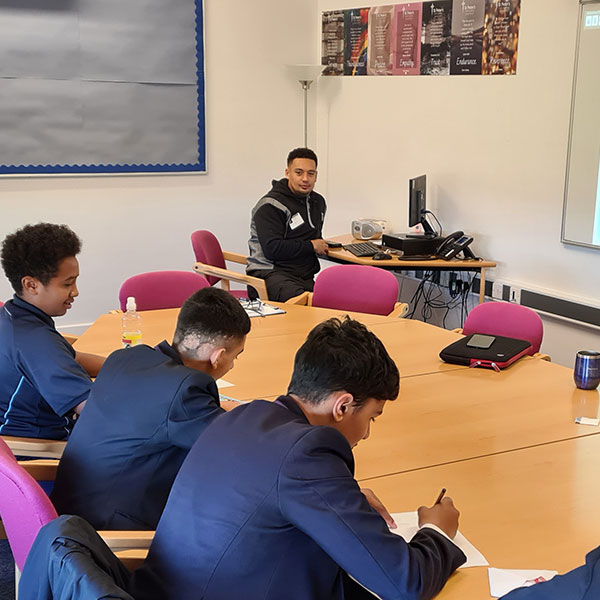
Clear outcomes and evidence of progress
Schools need more than confirmation that pupils attended and enjoyed the sessions.
Before delivery begins, we agree what the intervention is intended to achieve and how progress will be recognised.
Depending on the programme, this may include:
This provides the school with clear evidence of how pupils engaged, what changed during the programme and where further support may be required.
What schools may see as a result
Depending on the focus and length of the programme, schools may see pupils:
Progress will look different for every pupil. We consider changes in understanding, participation, relationships, behaviour and readiness to take the next step.
Discuss your school’s needs with TWMAD
If you have identified a group of pupils who may benefit from targeted support, speak to us about what is happening in school and what you would like the intervention to achieve.
We will help you consider the needs of the pupils, the most appropriate group format and the outcomes that should guide delivery.
Together, we can develop a purposeful programme that engages pupils, supports your school and provides clear evidence of what has changed and what needs to happen next.