
Early Intervention

Early intervention provides the opportunity to respond at the right time, helping young people overcome challenges before they become bigger barriers to education, relationships and future outcomes.

Early Intervention2026-08-05T14:26:53+01:00

Prevent Problems Before They Escalate

The best time to support a young person is often before a crisis develops. Many children and young people begin to show early signs that they are struggling long before problems become entrenched. Changes in attendance, behaviour, confidence, emotional wellbeing or engagement can all be indicators that additional support is needed.

Early intervention provides the opportunity to respond at the right time, helping young people overcome challenges before they become bigger barriers to education, relationships and future outcomes.

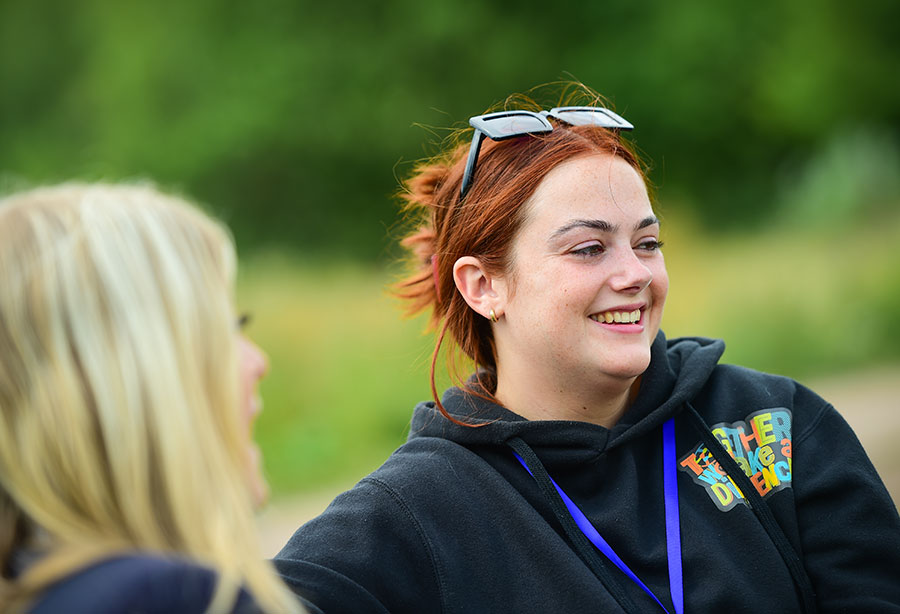
Mentoring session in the community
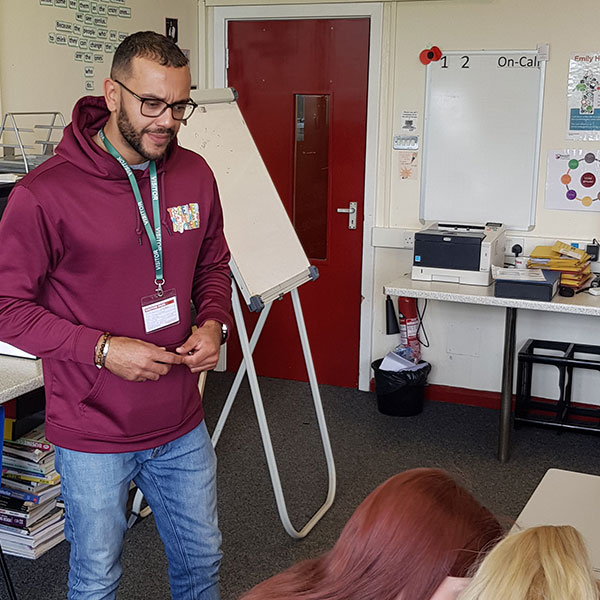
Mentoring session in a gym

Helping Young People Stay Engaged, Confident and on Track

  • Flexible support for individuals, small groups, classes, year groups or wider cohorts

  • Tailored 1:1 intervention for emerging concerns around attendance, behaviour, confidence and engagement

  • Targeted group sessions and workshops focused on shared needs and school priorities

  • Planned programmes supporting transition, attendance, behaviour change, emotional wellbeing and personal development

  • Specialist support designed around SEND, SEMH and neurodiverse needs, with clear reporting and measurable outcomes

When concerns begin to emerge, we work alongside schools and services to understand what is happening and put the right support in place early. This may involve individual intervention, targeted group work or a wider planned programme designed around the needs of the young people and the outcomes you want to achieve.

By combining trusted relationships with structured, flexible support, we help young people overcome emerging barriers while strengthening the school’s wider approach to prevention and early intervention.

A Structured Pathway of Support

Supporting children at the right level, at the right time

Every young person’s needs are different. Our graduated pathway allows support to begin at the most appropriate level and increase, reduce or adapt as needs change.

Early intervention is the first stage of a wider pathway. We can begin with targeted support and increase the level of intervention if the young person’s needs become more complex.

Children can enter the pathway at any stage. Support is matched to current need and can be stepped up, stepped down or adapted as circumstances change.
Rapid Re-engagement

Early support to rebuild engagement

What’s Included

  • 8 – 10 structured 1:1 intervention sessions

  • Behaviour Change Framework assessment

  • Progress updates throughout

  • Final impact report with recommendations

Best for: Emerging concerns, reduced engagement or early signs of difficulty.

  • Improved engagement and attendance

  • Increased confidence and emotional regulation

  • Earlier identification of barriers

  • Stronger relationships with trusted adults

Intensive Intervention

Higher-frequency support to stabilise and create change

What’s Included

  • 14–16 structured 1:1 intervention sessions

  • Personalised Behaviour Change Framework plan

  • Regular review meetings

  • Progress and impact reporting

Best for: Growing concerns, persistent disengagement or increasing risk of exclusion.

  • Improved emotional regulation

  • Reduced risk-taking or harmful behaviours

  • Increased school & service engagement

  • Improved resilience and accountability

High-Intensity Intervention & Alternative Provision

Comprehensive support for complex situations

  • Flexible 1:1 or 2:1 delivery
  • Half-day, full-day or bespoke packages
  • Individual education and intervention plan

  • Multi-agency collaboration & regular outcome reviews and reporting

Best for: Complex needs requiring intensive support to prevent further escalation.

  • Stabilised high-risk situations

  • Re-engagement with education

  • Improved safety and safeguarding

  • Increased independence and life skills

Our School Early Intervention & Support services

Engaging and Impactful programmes and workshops that we deliver in school and in the community.

Individual Support

Tailored 1:1 specialist intervention built around the young person’s needs, strengths and agreed outcomes.

Group Programmes

Targeted small-group interventions that develop confidence, resilience, relationships and life skills.

Attendance & Engagement

Helping young people rebuild attendance, reconnect with learning and develop positive engagement with education.

Behaviour Change Programmes

Structured interventions that develop emotional regulation, decision-making, accountability and safer choices.

Transition Support

Supporting successful transitions between schools, key stages, alternative provision and post-16 education.

SEND & SEMH Support

Specialist intervention adapted for SEND, SEMH and neurodiverse young people, helping them engage, regulate and succeed.

Not sure which intervention is right for your young person or cohort? Our team will help you identify the most appropriate level of support.

What Makes TWMAD Different

  • Trusted Relationships: Young people engage because relationships come before programmes.

  • Structured Behaviour Change: Every intervention is guided by our Behaviour Change & Personal Development Framework.

  • Safeguarding Embedded: Risk awareness, professional communication and safeguarding are integral to every intervention.

  • Designed for Complex Needs: Support adapted for SEND, SEMH, neurodiversity, trauma and communication needs.

  • Evidence That Matters: Clear reporting, measurable outcomes and regular communication with professionals.

Building Skills Before Challenges Become Entrenched

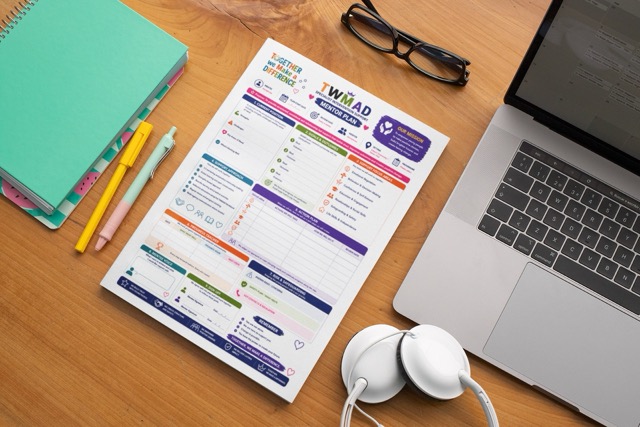
Our TWMAD Behaviour Change framework gives early intervention a clear structure. Through guided conversations, practical activities, reflection and tailored resources, young people are supported to better understand themselves, strengthen emotional regulation and make more positive choices.

  • Builds confidence, resilience and self-awareness

  • Develops emotional regulation and safer decision-making

  • Explores relationships, identity, peer influence and aspirations

  • Provides a clear structure for tracking learning and progress

Trusted by Schools and Services

Schools and professionals bring TWMAD in when a young person needs additional time, consistency and a trusted relationship to help them re-engage and move forward. Feedback highlights our ability to build trust quickly, respond flexibly to individual needs and create meaningful progress in confidence, emotional regulation, engagement and decision-making.

“Providing consistent support for our young people has allowed them to reflect on their behaviour and make better choices.”

Headteacher

“The students described having an adult who ‘gets it’. They all felt this way, which made a huge difference to their engagement.”

School Teacher

“The mentor made an immediate impact by forming a trusting bond with the pupil. Having a strong, positive role model has been extremely important.”

SENCO Lead

Partners have highlighted TWMAD’s strengths in building trust, responding flexibly, maintaining strong safeguarding practice and working effectively alongside professionals. They have also reported improvements in engagement, confidence, emotional regulation, relationships, decision-making and trust in adults.

Early Intervention in Practice

Building Confidence, Finding Direction and Creating Change

A young person was referred with low confidence, emotional regulation difficulties and poor school attendance. Through consistent 1:1 support, shared interests and meaningful conversations, TWMAD helped him:

During our referral discussion we explore:

  • develop a trusted relationship with a consistent adult;
  • become calmer and more able to manage challenges;
  • improve his confidence and willingness to try;
  • make safer choices and reflect on negative influences;
  • re-engage more positively with school;
  • begin setting goals for his future.

Impact in summary:
The intervention helped the young person move from low confidence and disengagement towards greater emotional awareness, school engagement and belief in a more positive future.

Every Referral Starts With Understanding the Need

Before recommending any support, we take the time to understand the young person, the challenges being experienced and the outcomes you’re hoping to achieve. This helps us recommend the most appropriate level of intervention from the outset.

During our referral discussion we explore:

  • The concerns, risks or emerging patterns being seen

  • The young person’s strengths, needs and current circumstances

  • Attendance, behaviour, wellbeing and engagement

  • SEND, SEMH or neurodiverse needs

  • Previous support and what has or hasn’t worked

  • Whether support is needed for an individual, group or wider cohort

  • The outcomes you want to achieve

  • How TWMAD can complement existing school or multi-agency support

Need to talk through a referral?

We’re here to discuss the situation, answer your questions and help you decide on the most appropriate support.

Frequently Asked Questions About Our Early Intervention

What if we aren’t sure which programme is right?2026-07-22T09:47:36+01:00

That’s fine. Tell us what is happening and what you want to change, and we’ll help identify the most suitable starting point.

Can support be delivered in school?2026-07-22T09:45:30+01:00

Yes. Support can be delivered in school, at home, in the community or from a suitable TWMAD setting, depending on need.

Do you support SEND and neurodiverse pupils?2026-07-22T09:45:13+01:00

Yes. Support is tailored to each young person’s communication, learning, sensory and emotional needs, including SEND, SEMH and neurodiversity.

Who can refer in a young person2026-07-22T09:44:29+01:00

Referrals can be made by:

  • Schools
  • Local authorities
  • Social workers
  • SEND/Inclusion teams
  • Residential providers
  • Professionals supporting the young person
How do you measure progress?2026-07-22T09:46:11+01:00

We track attendance, engagement and agreed outcomes through session reports, progress reviews and clear communication with professionals.

How quickly can support begin?2026-07-22T09:44:54+01:00

Support can often begin quickly, subject to availability, referral information and completion of any required risk assessments.

How is support funded?2026-07-22T09:47:17+01:00

Support can be commissioned by schools, local authorities, SEND or inclusion services, MATs or other professional agencies. A tailored quote is provided following the referral discussion.

Previous referrals have accessed:

  • School commissioning
  • Local authority commissioning
  • SEND/Inclusion routes
  • EADPR where applicable
Go to Top