A Different Approach to Residential Care
At TWMAD, we believe residential care should do more than provide a safe place to live. It should create stability, build trusted relationships and help young people develop the confidence, independence and life skills they need for the future.
Our residential care model is currently being developed as we work towards Ofsted registration. It has been shaped through years of specialist intervention, intensive support and partnership working alongside residential homes, local authorities and children with some of the most complex needs.

Professional Standards
High Standards –
Clear Accountability.
Every element of our developing residential model is built around the professional standards we expect of ourselves.
As we continue developing our residential model towards Ofsted registration, our focus remains on delivering safe, accountable and high-quality support that places the needs of children and young people at the centre of every decision.
What Our Residential Approach Is Designed to Achieve


Flexible Residential Support – Responding When Greater Stability Is Needed
Alongside our developing residential model, TWMAD can provide flexible residential support where it forms part of an agreed intervention plan and helps meet the needs of the young person.
This may include:
Every situation is considered individually, working closely with the placing authority and wider professional network to ensure support is safe, appropriate and centred around the young person’s best interests.

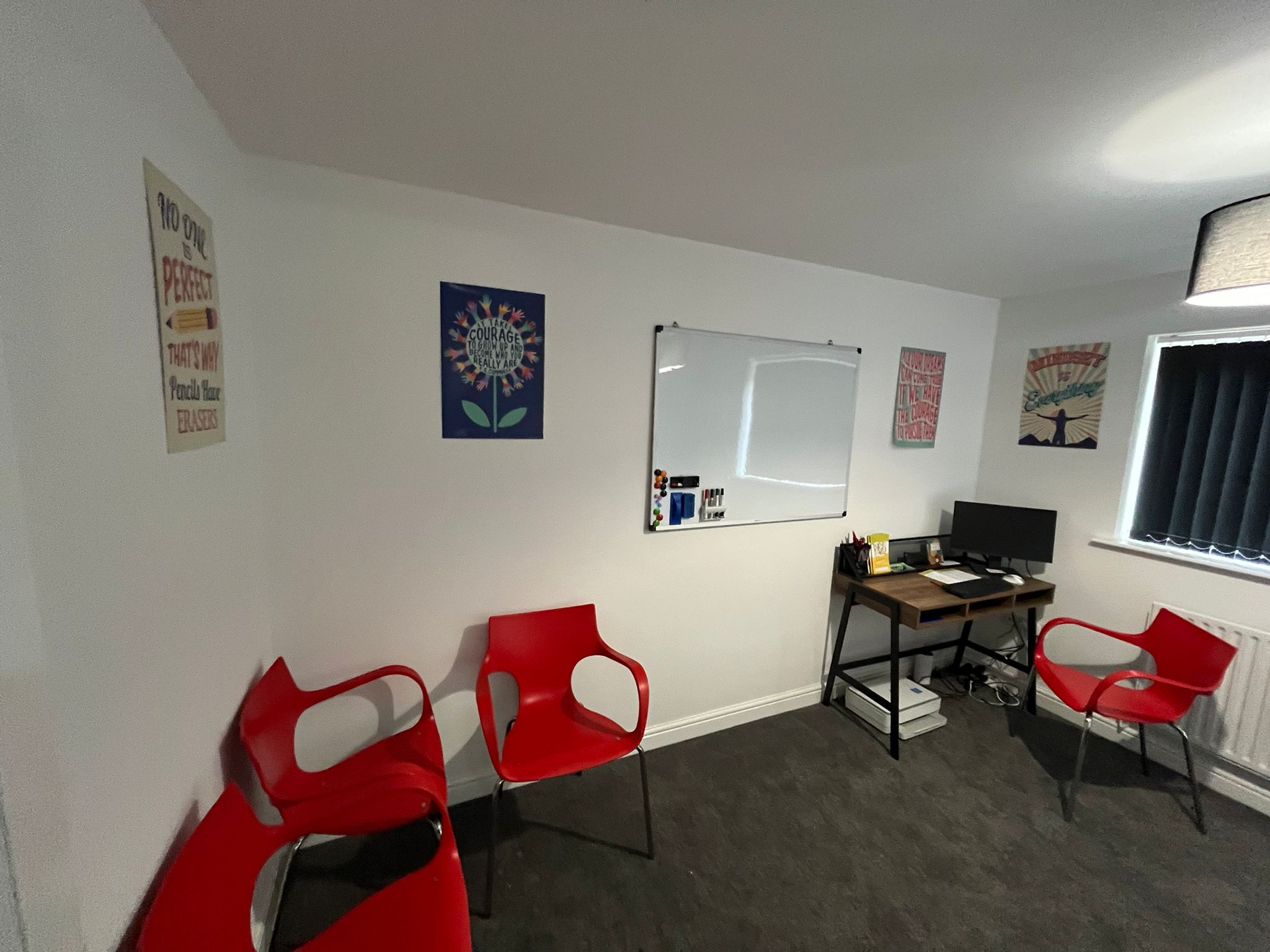
More Than a Place to Live
We believe residential care should be purposeful, aspirational and centred around each young person’s future.
Rather than separating care from intervention, we bring them together. Every relationship, conversation, experience and daily routine becomes an opportunity to build confidence, strengthen emotional wellbeing, develop independence and support positive behaviour change.
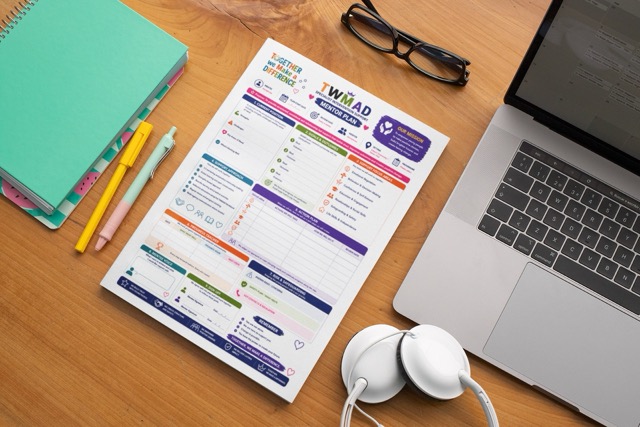
Built Around the Behaviour Change Framework
Purposeful Support Every Day
The TWMAD Behaviour Change & Personal Development Framework underpins our approach to residential care.
Rather than delivering intervention as separate sessions, the framework becomes part of everyday life. Trusted relationships, daily experiences and practical activities are used to help young people understand themselves, strengthen relationships, regulate emotions and make safer, more positive choices.