

TWMAD works alongside schools, local authorities, social care teams, residential providers and families.
Our relationship-led mentoring and specialist intervention is shaped around the young person, the challenges they are facing and the outcomes that the people supporting them are hoping to achieve.
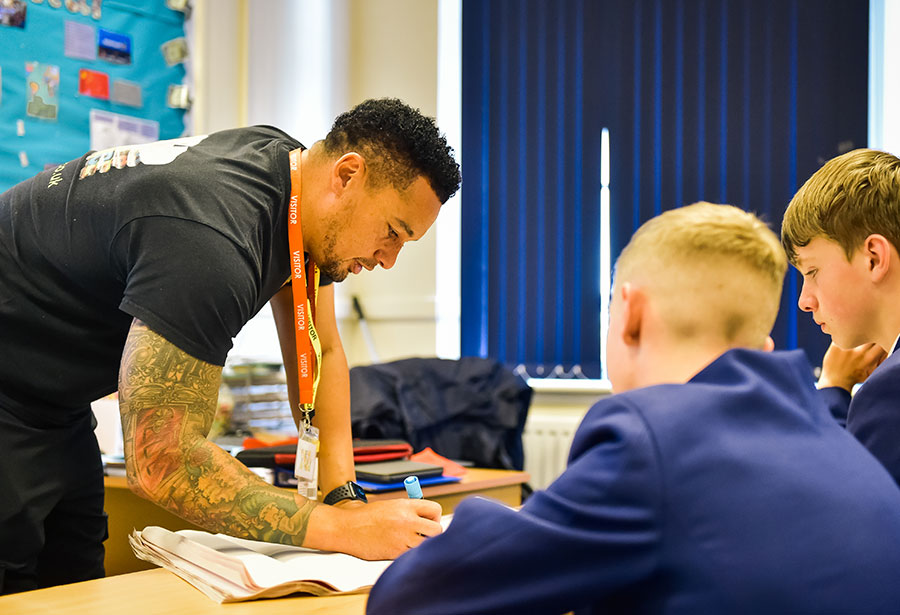

Local Authorities and Commissioning Teams
Flexible intervention built around individual need
TWMAD supports local authorities and commissioning teams working with children and young people whose needs may not be fully met through standard education, mentoring or community provision.
This may include young people experiencing:

Social Care and Residential Services
Consistent support during complex or unsettled periods.
TWMAD works alongside social workers, residential homes, foster carers and other services supporting children and young people in care or on the edge of care.
Our mentors can provide a consistent and trusted relationship during periods of family difficulty, placement change, emotional distress or increased risk.
Support may focus on:

Parents, Carers and Foster Carers
Parents and carers are often the first to recognise when something is changing. A young person may be withdrawing, struggling with school, becoming overwhelmed by their emotions, making unsafe choices or finding it difficult to explain what is wrong.
TWMAD support is usually commissioned by a school, local authority, social care team or another professional service rather than funded directly by families.
Parents and carers can still contact us to discuss whether TWMAD may be suitable and which professional or service could help explore a referral.
We are also developing free guidance and downloadable resources to help families understand behaviour, strengthen communication and support positive change at home.