TWMAD WEEKLY BULLETIN · 9–13 NOVEMBER 2026
Sometimes progress starts with just walking through the door
One young person. One English lesson. A moment of reassurance — and a step back towards learning.
In a session recorded by one of our mentors, a young person was initially reluctant to enter an English lesson. The mentor offered encouragement, reassurance and the promise of staying nearby to support him. Rather than completing work separately, the young person chose to join the lesson, asked for help when needed and completed a full page of work.
That is a meaningful moment of re-engagement. It does not tell us what will happen in every future lesson, but it shows what became possible that day when the right support was alongside him.
Progress doesn’t always look the same
Curiosity and communication
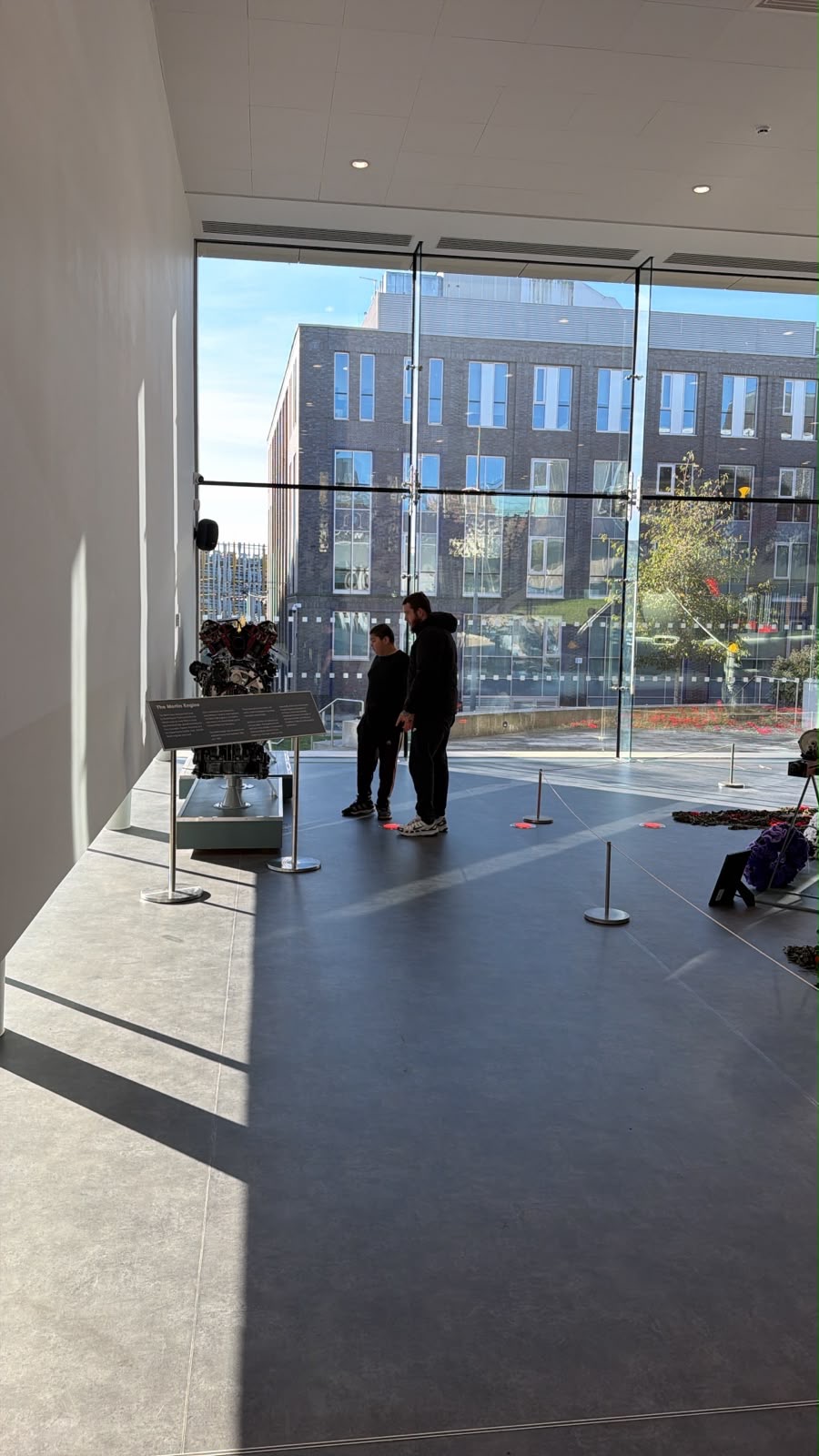
A young person explored different museum sections independently and began to ask lots of questions about what they saw — a notable increase and enthusiasm towards learning was highlighted during this session.
Everyday independence
Another young person independently approached a member of shop staff to ask for information, practising confidence in an ordinary community setting.
Reflection and repair
After becoming frustrated and speaking rudely, a young person accepted encouragement to go back and apologise. Supporting that reflection remains ongoing work.
When sessions don’t go to plan
Our reports also describe moments of frustration, uncertainty and emotional distress. Mentors have needed to offer reassurance, adjust activities and maintain clear boundaries. Not every difficult moment is resolved in one session, and progress is rarely a straight line.
We want young people to feel heard while also helping them make safer choices, practise managing their emotions and understand the effect of their behaviour on others.
Why trust matters for safeguarding
During sessions this week, young people also spoke with mentors about worries affecting their lives. Those conversations can emerge during an ordinary activity, a journey or a moment when a young person finally feels comfortable talking.
Trust creates opportunities to listen — and professional safeguarding practice determines what must happen next. Our responsibility is to recognise potential concerns, record them appropriately and follow safeguarding procedures. We do not share identifying details of young people’s disclosures in our public bulletins.
What we’re building towards
Young people have also expressed their own wishes about education, activities and the support they receive. Hearing those wishes helps us plan more purposeful sessions, while working with the other adults and professionals involved.
Sometimes progress starts with walking through a classroom door. Sometimes it starts with a conversation. Both deserve to be noticed, supported and followed up.
Let’s talk about the next step
TWMAD offers relationship-led, outcomes-focused mentoring for children and young people who need additional support to reconnect with education, their communities and opportunities around them.
Examples are anonymised observations from individual mentor session reports, not evidence of sustained outcomes across the wider service.