
Prevent Problems Before They Escalate
The best time to support a young person is often before a crisis develops. Many children and young people begin to show early signs that they are struggling long before problems become entrenched. Changes in attendance, behaviour, confidence, emotional wellbeing or engagement can all be indicators that additional support is needed.
Early intervention provides the opportunity to respond at the right time, helping young people overcome challenges before they become bigger barriers to education, relationships and future outcomes.


Helping Young People Stay Engaged, Confident and on Track
When concerns begin to emerge, we work alongside schools and services to understand what is happening and put the right support in place early. This may involve individual intervention, targeted group work or a wider planned programme designed around the needs of the young people and the outcomes you want to achieve.
By combining trusted relationships with structured, flexible support, we help young people overcome emerging barriers while strengthening the school’s wider approach to prevention and early intervention.
A Structured Pathway of Support
Supporting children at the right level, at the right time
Every young person’s needs are different. Our graduated pathway allows support to begin at the most appropriate level and increase, reduce or adapt as needs change.
Early intervention is the first stage of a wider pathway. We can begin with targeted support and increase the level of intervention if the young person’s needs become more complex.
Children can enter the pathway at any stage. Support is matched to current need and can be stepped up, stepped down or adapted as circumstances change.
Building Skills Before Challenges Become Entrenched
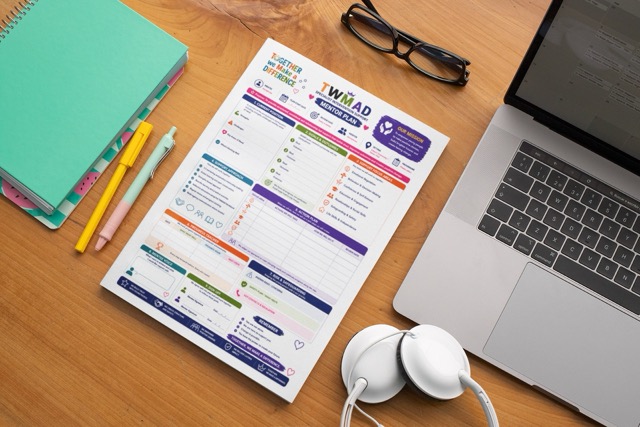
Our TWMAD Behaviour Change framework gives early intervention a clear structure. Through guided conversations, practical activities, reflection and tailored resources, young people are supported to better understand themselves, strengthen emotional regulation and make more positive choices.
Trusted by Schools and Services
Schools and professionals bring TWMAD in when a young person needs additional time, consistency and a trusted relationship to help them re-engage and move forward. Feedback highlights our ability to build trust quickly, respond flexibly to individual needs and create meaningful progress in confidence, emotional regulation, engagement and decision-making.
Partners have highlighted TWMAD’s strengths in building trust, responding flexibly, maintaining strong safeguarding practice and working effectively alongside professionals. They have also reported improvements in engagement, confidence, emotional regulation, relationships, decision-making and trust in adults.
Early Intervention in Practice
Building Confidence, Finding Direction and Creating Change
A young person was referred with low confidence, emotional regulation difficulties and poor school attendance. Through consistent 1:1 support, shared interests and meaningful conversations, TWMAD helped him:
During our referral discussion we explore:
Impact in summary:
The intervention helped the young person move from low confidence and disengagement towards greater emotional awareness, school engagement and belief in a more positive future.
Every Referral Starts With Understanding the Need
Before recommending any support, we take the time to understand the young person, the challenges being experienced and the outcomes you’re hoping to achieve. This helps us recommend the most appropriate level of intervention from the outset.
During our referral discussion we explore:
Frequently Asked Questions About Our Early Intervention
That’s fine. Tell us what is happening and what you want to change, and we’ll help identify the most suitable starting point.
Yes. Support can be delivered in school, at home, in the community or from a suitable TWMAD setting, depending on need.
Yes. Support is tailored to each young person’s communication, learning, sensory and emotional needs, including SEND, SEMH and neurodiversity.
Referrals can be made by:
- Schools
- Local authorities
- Social workers
- SEND/Inclusion teams
- Residential providers
- Professionals supporting the young person
We track attendance, engagement and agreed outcomes through session reports, progress reviews and clear communication with professionals.
Support can often begin quickly, subject to availability, referral information and completion of any required risk assessments.
Support can be commissioned by schools, local authorities, SEND or inclusion services, MATs or other professional agencies. A tailored quote is provided following the referral discussion.
Previous referrals have accessed:
- School commissioning
- Local authority commissioning
- SEND/Inclusion routes
- EADPR where applicable